3D Organ Bioprinting
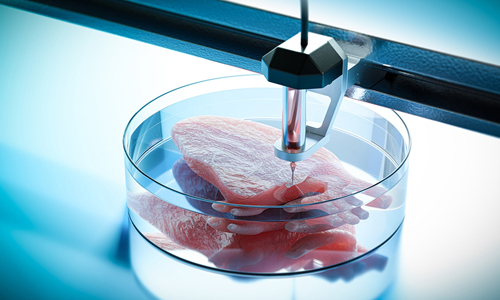
Organ transplant has become successive therapeutic option for end stage organ disease. 3D Bio printing body parts successfully may be the next step in organ transplantation techniques – retrieving stem cells from a transplant recipient and subjecting to printing them into a required replacement organ could help overcome complications associated with organ transplant such as long waits for a suitable donor, compatibility issues or immune rejection of the new organ.
Organoids - Development of new treatments & Research
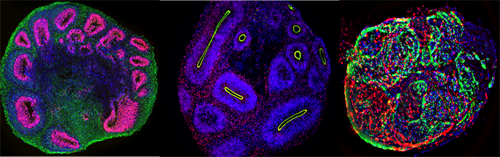
The short comings of in vitro tumor models that mimic the heterogeneity of human cancers has hindered the full understanding on pathogenesis of the tumor, therapeutic outcomes, and also poor response. An alternative way to try forecast treatment responses in the due course of drug discovery or development of new treatment strategies is to subject animal or cellular models of a patient's cancer to drug screens in the lab. These three-dimensional balls of tumor cells called organoids, are grown in beads of gel or non-adherent plates which are relatively new in the direction of in-vitro tumor models.
Gene editing
Although our understanding of cancer at the molecular level continues to improve, more effort is needed to develop new therapeutic tools and approaches exploiting these advances in technology. Because of its high efficiency and accuracy, the CRISPR-Cas9 genome editing technique has recently emerged as a potentially powerful tool in the arsenal of cancer therapy.
Microbiome Cellular Immune Interactions Simulation
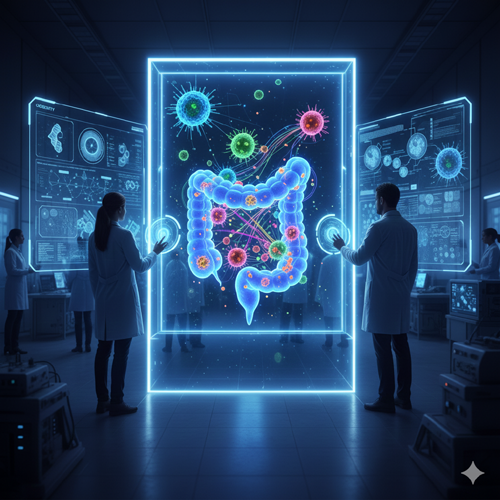
With advent of next generation sequencing it has thrown light on the microbiome research. Research in the past decades has revealed the microbial composition and function which has high impact and associated with obesity, cancer, inflammatory bowel disease, diabetes and liver disease. Microbes also have an impact on the activation of peripheral immune cells, which regulate responses to inflammation, injury and autoimmunity.
Dendritic vaccines for Cancer Immunotherapy
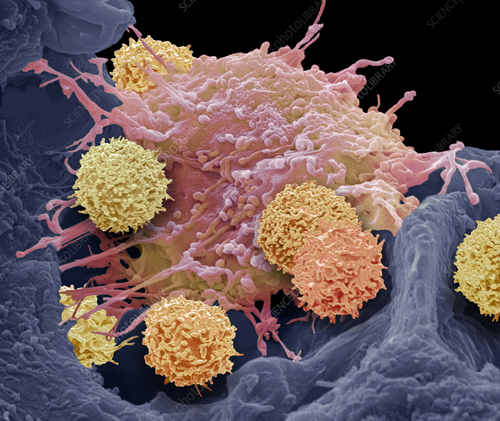
Recent decrease in the rate of cancer-related deaths have been made possible by advances in the cancer therapy and prevention. Since discovery of Dendritic Cells which are specialized antigen presenting cells play a pivotal role in induction of immune responses accomplished by supporting the survival and effector functions of primed T cells. These DCs assist in crosstalk between components of the immune system. Therefore, much effort has focused on developing techniques for retrieval of patient’s own DCs and manipulate to be superior inducers of immune responses.
T-cell Activation
T-cell activation is critical for the initiation and regulation of the immune response. Based on the basic recognition characteristics T cells cancer immunotherapy has evolved by unleashing the inhibition of immune checkpoints which boosts the antitumor efficacy of genetically engineered T cells.
Compliment Targeting for Circulating Tumour Cells
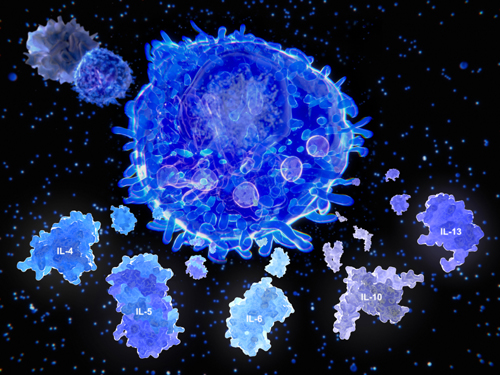
CTCs can be potential prognostic biomarker and can become pavements in finding novel drug targets and the field of precision medicine in cancer care. Cytokine monitoring In a broad sense, array of cytokines dictates the process of immune cell-mediated allograft rejection. Clearly the cytokine expression analysis can forecast clinically useful information about the state of allograft rejection or acceptance.
Genomic Exomes Correlation with Non Self-Antigen for Personalised Medicine
Personal genomics is the analysis and interpretation of information from across an individual’s genome. Personal genomic information and exome sequencing for individual genetic variants are paving novel therapeutic strategies for diagnostics and treatment of disease.